A Six-Point Strategy for Maximum Impact
Happy New Year!
We know that the first few weeks of January are crucial, they set the tone and trajectory for your organization’s entire year. This is the moment to move from reactive planning to proactive strategy.
Set your intention to work smarter, not harder! Engage your team, including your board, utilize volunteers and accept help in getting this work done. You don’t have to do all of these things but consider what will have the most impact on your work and do that!
Here are six essential best practices, spanning your entire organization, to ensure 2026 is your most impactful and sustainable year yet.
1. Fundraising Strategy: Focus on Retention and Recurring Gifts
The new year is not just about finding new donors; it’s about nurturing the loyal ones you already have.
- Donor Retention Check-Up: Review your donor data from the past year. High retention is far more cost-effective than constant acquisition. Design a Q1 stewardship plan that includes personalized thank-you calls, impact reports, and exclusive invitations to virtual “mission updates.”
- The Recurring Gift Push: Make a concentrated effort to convert one-time donors into recurring monthly givers. Offer a clear incentive or an easy-to-understand breakdown of the impact of a small monthly gift (e.g., “$10 a month funds one hour of tutoring”). January is the perfect time for a resolution-focused campaign.
- Grants Calendar Audit: Finalize your grants calendar. Map out submission deadlines, reporting requirements, and research new opportunities. Assign clear internal ownership for each stage to avoid last-minute scrambling.
2. Event Planning: Integrate for Mission, Not Just Money
Your events should be mission accelerators, not just isolated fundraisers.
- Early Venue Lock-In: Secure your venues for major events immediately. Waiting until spring can drastically limit your options and inflate costs. Consider booking event location a year in advance.
- Mission Moment Design: Every event, from a small donor thank-you to a large gala, must feature a clear Mission Moment. This is the 5-10 minute segment where the mission is delivered emotionally and directly, leading to the evening’s primary appeal. Don’t let logistics overshadow your purpose.
- Post-Event Communication Plan: Plan your follow-up emails and social posts before the event. The most critical fundraising occurs in the 72 hours immediately following, so have the “thank you and please give” message ready to deploy.
3. Board Development: Define the Role of the Advocate
A high-performing board is your most valuable asset.
- Review and Recruit: Assess the board’s current composition against your strategic needs (e.g., finance, legal, marketing expertise). Create a targeted recruitment plan to fill gaps. Don’t recruit simply based on who they know, but what skills they bring.
- Establish a “Give and Get” Baseline: Clearly define the expected financial contribution (the “Give”) or fundraising outreach (the “Get”) for the year. This clarity prevents awkward conversations later. This does not have to be a dollar amount. For the Give, it can be a gift meaningful to you and the Get can be stewarding 3 – 6 current donors and introducing 3 – 6 new donors.
- Annual Retreat/Training: Schedule a board retreat for sometime during the year focused on the big picture of the organization. Work in single strategic topic training, such as financial literacy, fiduciary duty, or an in-depth dive into a key program area into each board meeting. Educational sessions ensure the board remains engaged and informed decision-makers.
4. Marketing and Communications: Align Messaging with Strategy
Your communications should be the bridge between your strategy and your community.
- Content Calendar and Narrative: Build a full-year content calendar that aligns with your fundraising and program milestones. Ensure your narrative is consistent across all channels (website, email, social media) and tells a clear, repeatable impact story.
- Website Audit: Treat your website as your 24/7 digital headquarters. Check that every donation link works, your mission statement is prominently displayed, your most recent Annual Report is accessible, and it is easy to donate. Slow loading times or broken links are a silent drain on credibility.
- Crisis Communications Plan: Draft basic protocols for communicating during a crisis (e.g., a scandal, a natural disaster, or a major program change). Having pre-approved language for internal and external stakeholders saves critical time when urgency is highest. Make sure your board is up to speed with this plan.
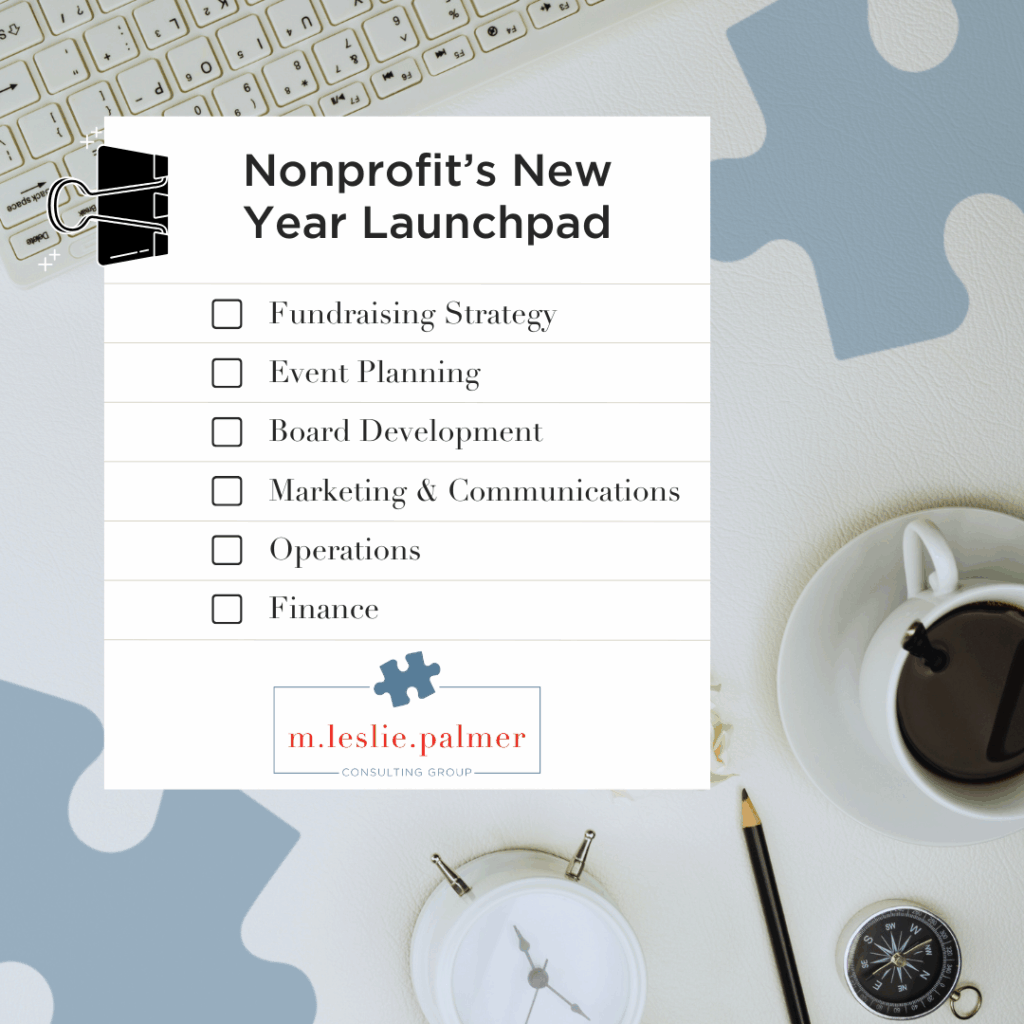
5. Operations: Standardize and Document
Efficient operations are the backbone of sustainability.
- Process Documentation: Choose three high-frequency, high-pain-point processes (e.g., donor data entry, volunteer onboarding, expense reporting) and document the step-by-step procedure. Documentation allows for consistency, easy training, and reduces reliance on single staff members.
- Technology Check: Review your CRM/database performance. Are staff using it correctly? Is the data clean? A small investment in training or system cleanup now prevents major data headaches later in the year.
- Physical Asset Review: Take stock of physical needs, from office furniture to program equipment. Budget for necessary replacements or upgrades now to avoid unexpected costs or workflow disruption.
6. Finance: Budget, Reserves, and Transparency
Financial health requires discipline and foresight.
- Budget to Actuals Review: Your board should receive a comprehensive “Budget to Actuals” report for the prior year within the first 30 days of January. Use this meeting to discuss variances and validate assumptions for the new year’s budget.
- Reserve Policy Review: Review and reaffirm your organization’s operating reserve policy. Does the board and leadership understand how much should be in reserves and the circumstances under which those funds can be used?
- Audit Preparation: If you require an annual audit, begin compiling necessary documents and schedules immediately. Early preparation makes the process smoother for your finance team and your auditors, reducing costs and stress.
The work you do in January is an investment in your mission. By dedicating time now to these six pillars, you will build the capacity, clarity, and resilience needed for a truly transformative year.