From Projection to Performance Monitoring
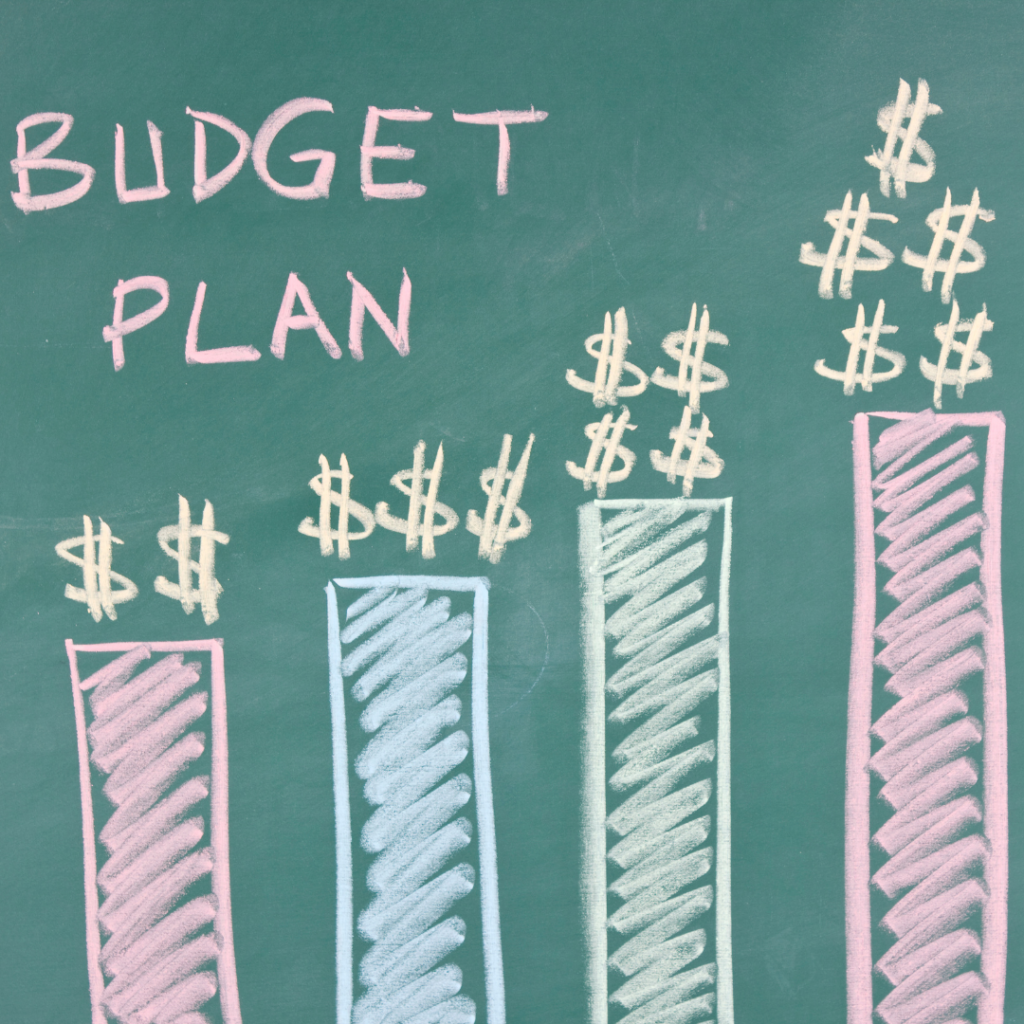
Managing a nonprofit budget can sometimes feel like trying to hit a moving target. Between unpredictable funding, shifting community needs, and the constant push to maximize your impact, keeping finances on track is no small feat.
Whether you are gearing up for the next fiscal year or looking to fine-tune your current oversight, here is a practical guide to turning your numbers into a roadmap for success.
Phase 1: Projections (Building a Realistic Foundation)
A great budget isn’t just a spreadsheet of best guesses; it is a strategic story about where your organization is headed.
- Start with Historical Data: Review your past 2–3 years of revenue and expenses to identify seasonal trends and realistic baselines.
- Involve Your Program Teams: Don’t build the budget in a silo. Talk directly to the people running your programs to understand their true operational costs and upcoming needs.
- Build in Scenarios: Prepare for the unexpected by creating a baseline budget alongside a “conservative” version (accounting for potential funding cuts) and an “optimistic” version (if a major grant comes through).
Phase 2: Performance Monitoring (Staying on Track)
Once your budget is approved, the real work begins. Consistent monitoring ensures you catch small variances before they become major hurdles.
- Review Monthly, Not Annually: Set aside time each month to compare your actual spending and revenue against your projected budget.
- Focus on Variances: Look closely at any line items that deviate by more than 10%. Ask yourself: Is this a one-time timing shift, or a structural change in our costs?
- Keep the Board Engaged: Provide your board with clear, concise financial dashboards rather than dense, overwhelming reports so they can focus on high-level governance and strategic oversight.
Transparency builds trust! When your staff and board understand the financial health of the organization, everyone pulls together toward shared goals.
We want to hear from you: What is your biggest pain point when it comes to nonprofit budgeting right now—is it forecasting revenue, tracking monthly expenses, or getting team buy-in?
Spotlight: Getting Up to Speed on Financial Matters
Stepping into an Executive Director role or transitioning from program management into executive leadership often means trading daily programmatic work for high-level financial oversight. If financial statements, balance sheets, and cash flow forecasts feel like a foreign language, you are not alone! Here is how to quickly bridge the gap:
- Master the Big Three Statements: Get comfortable reviewing the Statement of Financial Position (Balance Sheet), the Statement of Activities (Income Statement), and the Statement of Cash Flows. You don’t need to be a CPA, but you do need to know where your liquid cash stands at a glance.

- Partner Closely with Your CFO or Bookkeeper: Schedule regular 1-on-1s with your finance lead. Ask them to walk you through the numbers in plain English rather than accounting jargon, and lean on their expertise to flag hidden risks.
- Focus on Cash Flow First: Profit and loss statements matter, but cash flow keeps the lights on. Understand your cash runway so you know exactly how many months the organization can operate if receivables or grants are delayed.