Connecting Donors to Your Mission with Emotional Resonance
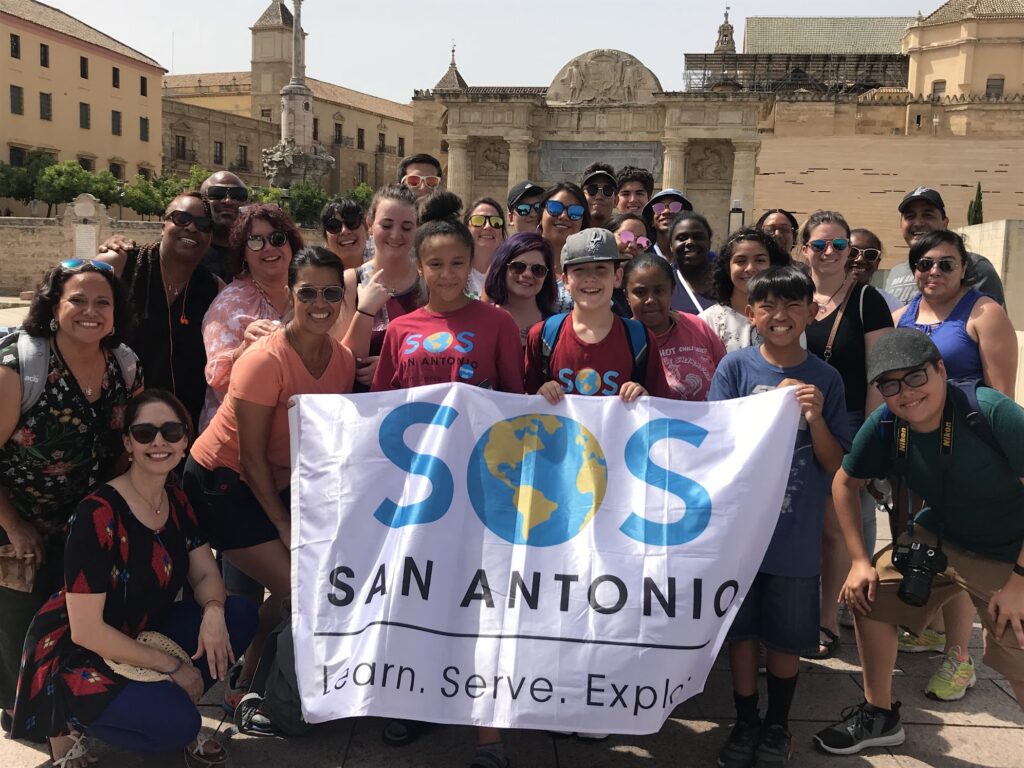
I will never forget the moment I watched a KSAT interview where a 16-year-old named Lenae Sage looked into the camera and said with quiet conviction, “This program has been one of the best things to help me out in life. They have helped me grow as a person.”
Lenae had just graduated from high school after five years of learning and serving in the community with the nonprofit Students of Service (SOS). As a board member of SOS, I have watched so many students like Lenae evolve from shy middle schoolers into confident young leaders. Executive Director Amir Samandi founded SOS after a student told him she would never see the Eiffel Tower.
He refused to accept those self-imposed limitations and created a nonprofit to support students on their journey to become our next global leaders.
Since that foundational moment in Amir’s classroom, SOS has taken more than 600 students to 22 countries and logged more than 100,000 hours of community service. But none of those numbers hit me the way Lenae’s voice did. She wasn’t reciting statistics. She was telling the truth about what it feels like to have an organization believe in her.
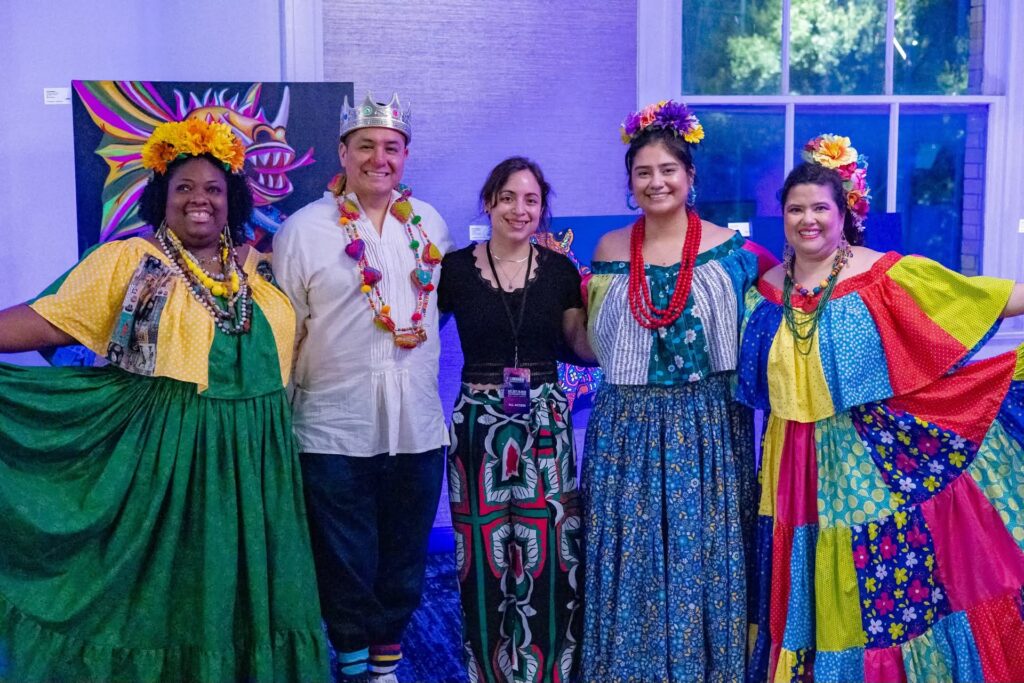
I had a similar moment serving on the board of the Luminaria Contemporary Arts Festival. In 2020, the pandemic devastated San Antonio’s creative community. Artists lost both revenue and professional development opportunities almost overnight. Luminaria responded by providing funding for working artists. The program continues today, having awarded nearly $100,000 to 200 artists. I remember a costume designer named Bunny Le Fleur describing what that grant meant during a time when every stage had gone dark. Her voice broke. Though the grant was not large, it offered proof that the entire organization valued her work.
These two moments represent hallmarks of effective donor communication. Numbers and statistics do matter. But the story is truly what opens the door.
In the nonprofit landscape, when we write appeals or annual reports, we often default to data because it automatically feels credible. We cite budgets and client counts and program metrics. Having data available remains vital. Yet research consistently shows that donors give because they feel connected to a human experience. Often subconsciously, they want to envision themselves or their loved ones in the story. They want to believe their contribution will land somewhere tangible.
With more than 1,000 stories under my belt as a writer, here’s what I’ve found works best.
Lead with a single person or anecdote, not a generalized population, demographic or statistic. One voice and one name can create a turning point through specificity. Let that person speak in their own words. Lenae’s sentence was more powerful than any paragraph I could have written about youth development outcomes because it resonated authentically as the voice of a 16-year-old.
End by connecting the emotional moment back to your nonprofit mission without over-explaining it. Trust your readers to find the link.
Finally, do not be afraid of a little vulnerability. Bunny’s breaking voice as she told her story was not a weakness in the narrative. Donors do not want polished perfection. They want to know their generosity reaches a real person who needs it.
No matter your nonprofit’s focus, your mission and work already change lives. Authentic storytelling simply lets your stakeholders see it in action.
— Jennifer R. Lloyd