The Power of Data in Nonprofits

No one knows your mission better than you do. The work you are doing in the community is purpose-driven and valuable. Your mission exists because there was a need, and your organization stepped forward to address it. You know the importance of the work and hear all the impactful stories about how your organization is making a difference.
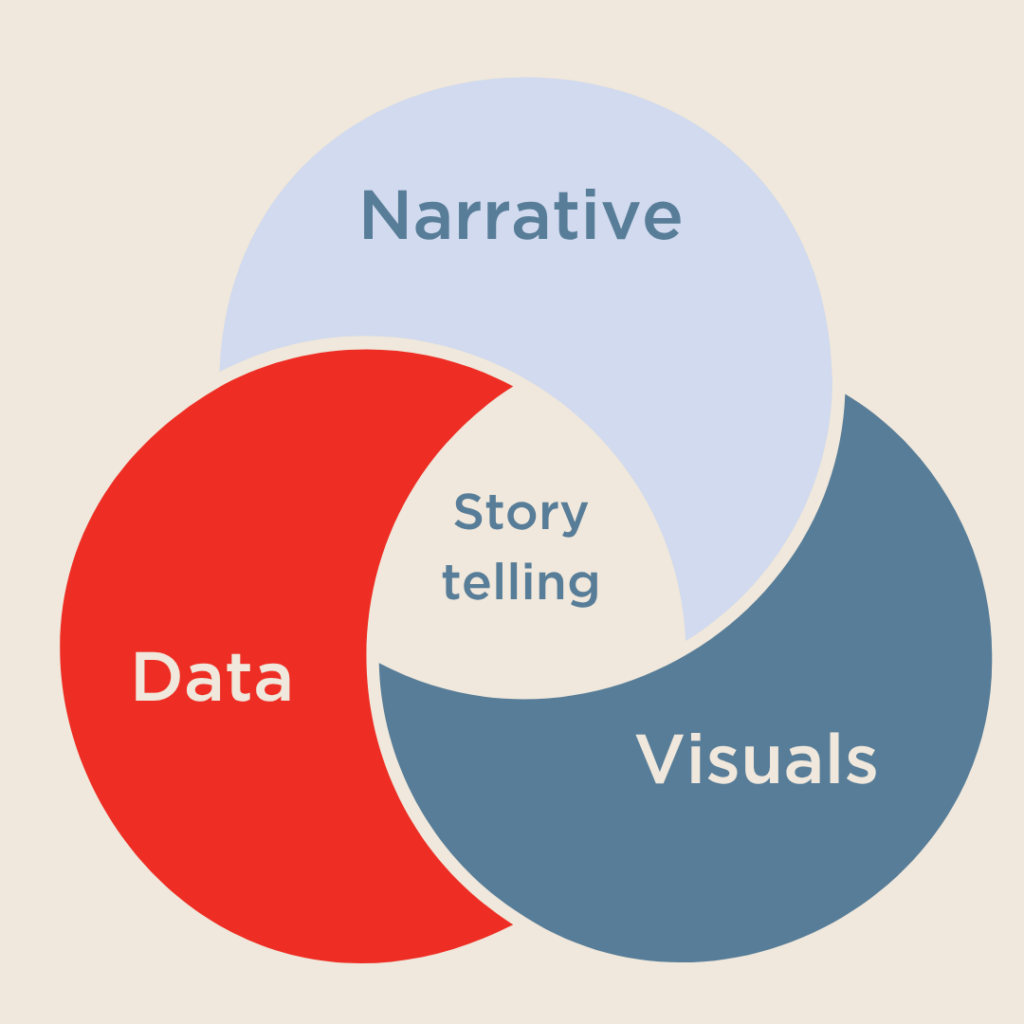
Now you need to drive the narrative and tell the story – sharing the impact of your work with funders, partners, and the community, but a compelling story becomes even stronger when it is supported by data.
Data provides the evidence behind the impact. It transforms anecdotes into measurable outcomes and helps demonstrate not only what you are doing, but why it matters. When used effectively, the data you collect becomes the icing on the cake to reinforce your mission while helping others clearly see the difference your organization is making.
All organizations collect data. It is common for organizations to collect large amounts of information but never actually use it. Questions are written, surveys are administered, spreadsheets are filled, and reports are compiled only to sit unused when grant reporting is complete. When that happens, it’s worth asking an important question: What is the return on investment?
Collecting data takes time, energy, and resources that most funders are not paying for. If the information isn’t being used to inform decisions, demonstrate impact, or improve programs, then it may not be necessary to collect in the first place. Thoughtful data collection should always serve a purpose.
In order to collect meaningful and effective data, organizations should focus on four key steps:
1. Review your mission, vision, and values
Your organization exists for a reason. Start with the foundation. What are you trying to accomplish? What change are you working toward in your community? What do you want your clients to achieve? How is your organization supporting society?
2. Align your metrics with your mission
Everything should lead back to the organization’s mission. Whether the metrics are required for a grant or developed internally, every measure should connect back to your mission, vision, or values. Create metrics based on the answers from question one and align them to your grant deliverables. If a metric doesn’t help demonstrate progress toward your goals, it may not be the right one to track.
3. Develop and Implement tools to measure what matters
Once you know what you want to measure, create systems and tools that allow you to consistently collect the right information. This might include registration packets, surveys, evaluation forms, focus groups, program tracking systems, or other reporting tools.
4. Evaluate Regularly
It is best to evaluate your progress annually. Was the data captured useful? Have you considered deliverables from new funding sources? Has the environment and or programming adapted or does it need to? Setting up a consistent evaluation process ensures it stays part of the regularly scheduled programming and is not reactive.
When these pieces come together, data becomes much more than numbers on a page. It becomes a powerful storytelling tool, helping you clearly communicate the impact of your work, strengthen grant proposals, and make informed decisions about the future of your programs.
If your organization is ready to strengthen its approach to data collection and evaluation, M. Leslie Palmer Consulting Group can help. Our team works with nonprofits to identify the right metrics, develop meaningful evaluation tools, and translate data into clear, compelling impact stories.
Reach out to learn more by emailing info@mlpconsultinggroup.com.